
Wisdom tooth extraction (figure eight) – Painlessly and safely in Prague
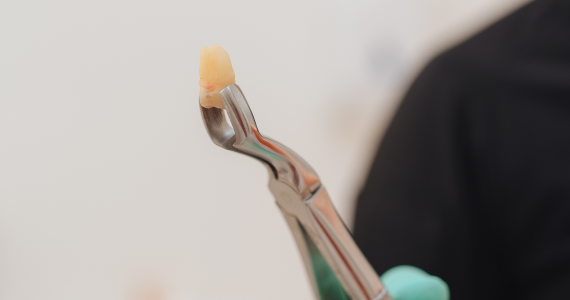
Why is it sometimes necessary to remove wisdom teeth?
Wisdom tooth extraction is not always necessary. If they erupt correctly, are functional, and do not cause any problems, they can remain in the mouth without any problems. However, there are many situations in which their removal is recommended or even necessary:
- Lack of space in the jaw: There is often not enough space in the back of the jaw for the eights to erupt properly. They can grow obliquely, horizontally, or remain partially or completely wedged in the bone (impacted teeth).
- Damage to neighboring teeth: A poorly erupting wisdom tooth can press on the neighboring seven, damaging its root or enamel, and increasing the risk of cavities.
- Pericoronitis (inflammation of the gums around the tooth): A partially erupted wisdom tooth is difficult to clean. Bacteria and food debris can accumulate under the gum covering the crown, leading to painful gingivitis, swelling, and sometimes difficulty opening the mouth.
- Caries: Because they are located at the back of the mouth, they are difficult to clean. They are therefore more prone to developing cavities, which can spread to surrounding teeth.
- Cysts and tumors: Although rare, a cyst (fluid-filled cavity) can form around an unerupted wisdom tooth, which can damage the surrounding bone, teeth, or nerves.
- Orthodontic reasons: In some cases, the pressure of erupting wisdom teeth can cause the front teeth to crowd, especially after orthodontic treatment. Their preventive extraction may be recommended by an orthodontist.
- Pain and Discomfort: Pressure, inflammation, or decay can cause chronic or acute pain in the area of your wisdom teeth, which may radiate to your ear, jaw, or head.
If you are experiencing any of these symptoms or have concerns about your wisdom teeth, do not hesitate to schedule a consultation at our Dobrý Dent clinic. Our specialists will carefully assess your situation.
How is wisdom tooth extraction performed at Dobrý Dent?
Our goal is to make the procedure as minimally invasive, painless and with a quick recovery. The process usually includes the following steps:
1. Consultation and precise diagnosis
The first step is a thorough examination. We take digital X-rays, most often a panoramic OPG scan, which shows all the teeth, jaws and surrounding structures. In more complex cases, especially if the wisdom teeth are close to nerves or cavities, we use our modern 3D CBCT technology (Cone Beam Computed Tomography). This 3D X-ray provides us with a detailed three-dimensional image that allows our surgeons to plan the procedure with absolute precision, minimize risks and choose the most gentle procedure. During the consultation, the doctor will discuss the reasons for the extraction, the course of the procedure, anesthesia options and answer all your questions.
2. Painless anesthesia
We place great emphasis on painlessness. Before the procedure itself, we apply local anesthesia, which perfectly numbs the area of the extracted tooth and the surrounding tissue. At Dobrý Dent, we use the cutting-edge STA (Single Tooth Anesthesia System) system, which is a computer-controlled application of anesthetic. This system allows for a very slow and controlled application, which is significantly more comfortable for the patient and often completely imperceptible compared to a traditional injection. The anesthetic acts specifically and effectively, so you will not feel any pain during the entire procedure.
3. The extraction itself
The extraction procedure depends on whether the tooth is fully erupted and what its position is.
- Simple extraction: If the wisdom tooth is fully erupted and has a favorable root shape, the doctor will release it using special instruments and then gently remove it.
- Surgical extraction: If the tooth is partially or completely unerupted (impacted), wedged in the bone or has a complex root shape, a surgical approach is necessary. The doctor will make a small incision in the gum, or remove a small part of the bone covering the tooth to gain access to it. Sometimes it is necessary to divide the tooth into smaller parts for easier and gentler removal. During these more complex procedures, we often use an operating microscope, which allows us to work with maximum precision, minimize trauma to the surrounding tissues and ensure a better overview of the surgical field. After the tooth is extracted, the wound is carefully cleaned and, if necessary, sutured with absorbable stitches that do not need to be removed later.
Our dentists and surgeons have many years of experience and regularly train in the latest procedures to ensure the best possible result.
4. Postoperative care and instructions
After the procedure, we will provide you with detailed instructions on how to care for the wound to promote rapid and uncomplicated healing. We recommend:
- Cooling: Applying cold compresses to the face in the extraction area helps reduce swelling.
- Painkillers: We will prescribe or recommend appropriate painkillers (analgesics) that you should take as needed.
- Diet: A soft to mushy diet is recommended in the first few days after the extraction. Avoid hot drinks and foods, hard and small foods (e.g. seeds, nuts) that could irritate the wound.
- Oral hygiene: It is important to keep your mouth clean, but do not rinse the wound on the day of the procedure to avoid disrupting the blood clot. From the second day onwards, you can start to rinse your mouth carefully with lukewarm salt water or the recommended antibacterial solution. Brush your teeth carefully, avoiding direct contact with the wound.
- Rest: Avoid physical exertion, smoking, and alcohol consumption for several days, as these activities can slow healing and increase the risk of complications.
If necessary, we will schedule a follow-up visit to check the healing process.
Benefits of wisdom tooth extraction at Dobrý Dent Prague
Why choose our clinic in Prague 5 for wisdom teeth extraction?
- Experienced team: Our dentists and surgeons have extensive experience with wisdom teeth extractions, including the most complex cases. We have been working here for you since 2010.
- Leading technologies: We invest in the most modern equipment to ensure maximum accuracy and safety. We use 3D CBCT X-ray for perfect planning, STA system for painless anesthesia and operating microscope for precise surgical procedures. We also use 3D intraoral scanner for accurate digital impressions and planning of further stages of treatment, if necessary.
- Painlessness and comfort: Your comfort is our priority. From painless anesthesia to a pleasant and modern clinic environment, we do everything we can to make you feel as comfortable as possible.
- Individual approach: Each patient is unique. We will carefully consider your specific situation and propose the most suitable solution.
- Comprehensive care: We offer a wide range of dental services under one roof, from preventive care and dental hygiene to implantology and prosthetics.
- Convenient location: You can easily find us in the center of Prague 5 – Smíchov, near the Anděl metro station.
Frequently Asked Questions (FAQ)
- Is wisdom tooth extraction painful?
- Thanks to modern methods of local anesthesia, including the STA system, the procedure itself is completely painless. After the anesthesia wears off, you may feel some discomfort or mild pain, which can be effectively relieved with commonly available analgesics.
- How long does it take to heal after extraction?
- The initial healing phase usually lasts a few days to a week. Swelling and any bruising usually subside within 3-7 days. Complete healing of the bone at the extraction site can take several weeks to months. The speed of healing varies from person to person.
- What are the risks of wisdom tooth extraction?
- Like any surgical procedure, wisdom tooth extraction carries certain risks, although they are minimized when proper procedures are followed and modern technologies (such as CBCT for planning) are used. Possible risks include pain, swelling, bleeding, infection, damage to neighboring teeth or nerves (which can lead to temporary or rarely permanent numbness of the lip, tongue or chin), or the development of a so-called dry socket (a painful complication of healing). At Dobrý Dent, we do our best to prevent these complications.
- Do all wisdom teeth have to be removed?
- No, they don’t. If the wisdom teeth are healthy, properly erupted, functional and do not cause any problems, there is no reason to remove them. The decision to extract is always individual and is based on a thorough examination and assessment of the risks and benefits.
- When can I start eating normally after extraction?
- A soft diet is recommended for the first few days. You can gradually switch to a harder diet depending on how you feel. Avoid chewing on the side of the extraction until the wound has partially healed.
Book a consultation at Dobrý Dent
Do you have problems with your wisdom teeth or would you like advice on their condition? Do not hesitate and entrust yourself to the care of the experts at the Dobrý Dent dental clinic. Our experienced team will provide you with top-notch care using the latest technologies in a pleasant environment.