
Gum Treatment: The Key to a Healthy Smile and Overall Health
What is Gum Disease? Understanding Gingivitis and Periodontitis
Gum disease, collectively known as periodontal disease, is an infectious inflammatory disease affecting the tissues around the teeth. There are two main forms:
Gingivitis (Gum Inflammation)
Gingivitis is the initial, milder form of gum disease. It is caused by the buildup of bacterial plaque on the teeth and along the gum line. Plaque produces toxins that irritate the gums and cause inflammation. Typical symptoms are:
- Red, swollen or sensitive gums
- Bleeding gums when brushing or flossing
- Sometimes bad breath (halitosis)
The good news is that gingivitis is fully reversible. With consistent oral hygiene (regular brushing twice a day, flossing and interdental brushes) and professional dental hygiene in the office, the inflammation can be completely cured and the gums can be restored to health.
Periodontitis (Periodontitis)
If gingivitis is not treated, the inflammation can progress deeper and turn into periodontitis. In periodontitis, the inflammation affects not only the gums, but also the bone and fibers that hold the teeth firmly in the jaw (periodontal ligaments). Bacteria penetrate deeper below the gum line and create what are called periodontal pockets (pockets between the tooth and the gum). In these pockets, bacteria multiply and destroy the surrounding tissue.
Symptoms of periodontitis include those of gingivitis plus:
- Visible receding gums (teeth appear longer)
- Pus formation between the teeth and gums
- Changes in the bite (the way the upper and lower teeth fit together)
- Looseness of the teeth
- In advanced stages, tooth loss
Periodontitis is a more serious condition and the damage caused (bone and tissue loss) is usually irreversible. The goal of treatment is to stop the progression of the disease, eliminate the infection, reduce the depth of the pockets, and prevent further tooth loss. It requires comprehensive and long-term care from the dentist and perfect cooperation from the patient.
Symptoms of gum disease you shouldn't ignore
It is important to pay attention to any changes in your oral cavity. Don’t ignore the following warning signs:
- Bleeding gums: Any bleeding, even occasional, while brushing or eating is not normal.
- Red, swollen, or tender gums: Healthy gums are pink and firm.
- Receding gums: Exposing the necks of your teeth can be a sign of disease progression.
- Persistent bad breath: Can be caused by bacteria accumulating in the periodontal pockets.
- Pus between your teeth and gums: A clear sign of active infection.
- Movement or looseness of your teeth: An advanced sign of loss of supporting tissues.
- Pain when Chewing: May indicate damage to the tooth’s supporting structure.
If you notice any of these symptoms, do not hesitate to make an appointment for a check-up at Dobrý Dent. Early diagnosis is the key to successful treatment.
Why is early diagnosis and treatment crucial?
Postponing a visit to the dentist when you suspect gum problems can have serious consequences:
- Tooth loss: Periodontitis is the leading cause of tooth loss in adults.
- Complications with other treatments: Untreated gingivitis can complicate or prevent other dental treatments, such as implants, bridges, or orthodontic treatment.
- Systemic health problems: Research shows a growing link between periodontitis and overall health. Bacteria and inflammatory substances from the oral cavity can enter the entire body through the bloodstream and contribute to the development or worsening of diseases such as:
- Cardiovascular diseases (myocardial infarction, stroke)
- Diabetes mellitus (diabetes mellitus) – the relationship is bidirectional, periodontitis worsens glycemic control and diabetes increases the risk of periodontitis
- Respiratory diseases
- Pregnancy complications (premature birth, low birth weight)
- Rheumatoid arthritis
- Aesthetic problems: Receding gums, changing the position of teeth and their loss negatively affect the appearance of the smile and self-confidence.
- Financial demands: Treatment of advanced periodontitis and replacement of lost teeth is significantly more expensive than prevention and treatment of initial stages.
An investment in the health of your gums is an investment in your overall health and quality of life.
How is gum treatment done at Dobrý Dent?
At our clinic Dobrý Dent in Prague 5, we approach the treatment of gum disease comprehensively and individually. Our goal is not only to cure an acute problem, but also to establish a long-term sustainable condition and motivate you to take care of your gums. We use modern procedures and cutting-edge technologies to do this.
Precise diagnostics – the basis for success
Every treatment begins with a thorough examination. This includes:
- Anamnesis: Determining your problems, oral hygiene habits, general diseases and medications.
- Clinical examination: We will carefully examine your gums, measure the depth of the periodontal pockets using a special probe (so-called probing), assess the degree of bleeding, the presence of plaque and tartar, gum recession and looseness of the teeth.
- X-ray examination: We use digital X-rays, including a panoramic image (OPG), which will show us the condition of the bone around the teeth and help detect the degree of its loss. In complex cases or when planning an implant, we can also use our 3D CBCT (Cone Beam Computed Tomography) examination, which provides a detailed three-dimensional image of the jaws and teeth for the most accurate diagnosis and treatment planning.
- Microbiological tests: In some cases, we can take a sample from the periodontal pocket to identify specific bacteria causing inflammation, which will help us choose a more targeted treatment, such as appropriate antibiotics.
Professional dental hygiene – the first step in treatment
The basis for the treatment of gingivitis and the early stages of periodontitis is the removal of the cause – bacterial plaque and tartar. Our experienced dental hygienists will perform:
- Scaling: Using ultrasonic devices and hand tools, we will gently remove hard tartar above and below the gum line.
- Plaque and pigmentation removal: We will polish the surface of the teeth and remove soft plaque and unwanted discoloration (e.g. from coffee, tea, smoking) using airflow (sandblasting) or polishing pastes.
- Instruction and motivation: We will teach you the correct technique for brushing your teeth, recommend suitable tools (brushes, interdental brushes, floss) and explain the importance of regular and thorough home care.
For patients with gingivitis, professional hygiene and improved home care are often enough to completely cure them. In periodontitis, this is a necessary first step before further treatment.
Advanced methods of periodontitis treatment
If periodontitis is diagnosed, deeper treatment is necessary to remove the infection from the periodontal pockets and stop tissue destruction.
- Deep Scaling and Root Planing: This is a non-surgical procedure performed under local anesthesia. We carefully clean the root surfaces of the teeth deep in the periodontal pockets from plaque, tartar, and infected tissue. The goal is to smooth the root surface so that bacteria cannot settle on it and so that the gum can reattach. For maximum patient comfort, we use the painless computer-controlled anesthesia STA (Single Tooth Anesthesia System) system, which allows for precise and almost imperceptible administration of anesthetic.
- Surgical treatment (flap surgery): In cases of deep cavities that cannot be effectively cleaned non-surgically, or when there is a need to regenerate lost bone, we resort to surgical procedures. During flap surgery, the gum is lifted to ensure direct access to the root and bone surfaces. This allows for perfect cleaning, removal of inflamed tissue and, if necessary, adjustment of the bone shape or the use of materials for bone and tissue regeneration (guided tissue regeneration). We perform all surgical procedures with maximum precision, often using an operating microscope, which allows us to see even the smallest details and work more gently and precisely.
- Antibiotic treatment: In some cases, especially in aggressive forms of periodontitis or as an adjunct to mechanical cleaning, we may prescribe systemic or local antibiotics to suppress specific bacteria.
Advantages of modern technologies at Dobrý Dent
Our clinic is equipped with cutting-edge technologies that increase the accuracy, efficiency and comfort of gum treatment:
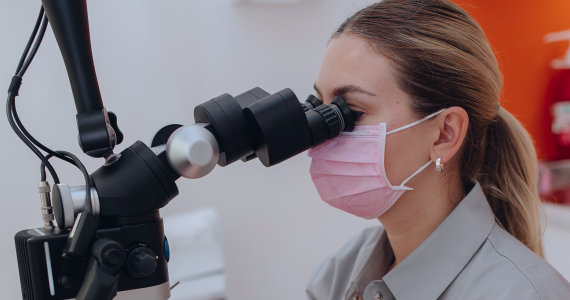
- Operating microscope: The enlargement of the surgical field allows our doctors to work with extraordinary precision in diagnosis and treatment, especially during deep cleaning and surgical procedures. We see better, we treat better.
- STA – Painless Anesthesia: The computer-controlled anesthesia application system minimizes the discomfort associated with the injection and ensures effective anesthesia for painless treatment.
- 3D Intraoral Scanner: Enables fast and comfortable digital impressions without the need for traditional impression materials. We use it for planning prosthetic replacements after periodontitis treatment.
- CBCT (3D X-ray): Provides detailed three-dimensional imaging of bone structures, which is invaluable for accurate diagnosis of the extent of bone damage in periodontitis and for planning comprehensive treatment, including possible implantation.
Maintenance phase and prevention – the best treatment
Treatment of periodontitis does not end with the elimination of active inflammation. Since it is a chronic disease, the subsequent maintenance phase (recall) is key. This includes regular check-ups and professional dental hygiene at intervals determined individually according to your condition (usually every 3-6 months). The goal is to keep the disease under control, prevent its recurrence and catch any problems early.
Of course, the best treatment is prevention. The basis is:
- Careful home oral hygiene: Brushing teeth twice a day with fluoride toothpaste, daily use of interdental brushes and/or dental floss.
- Regular preventive check-ups: Visit the dentist twice a year, even if you have no problems.
- Regular dental hygiene: Professional teeth cleaning once or twice a year (or more often as recommended).
- Healthy lifestyle: Balanced diet, limiting sweets and smoking (smoking significantly increases the risk and worsens the course of periodontitis).
Why choose Dobrý Dent for gum treatment in Prague?
We believe that the combination of professional knowledge, modern technology and a human approach is the key to successful treatment and satisfaction of our patients. Why entrust the care of your gums to us?
- Experience and expertise: We have been providing quality dental care since 2010. Our team regularly educates itself in the field of periodontology and other fields.
- Comprehensive care under one roof: We offer a wide range of services from prevention and dental hygiene to the treatment of periodontitis to related prosthetic and implant solutions.
- Leading technologies: We invest in modern equipment (microscope, STA, 3D scanner, CBCT), which allows us to provide more precise, gentle and effective care.
- Individual approach: We devote sufficient time to each patient, explain their condition and design a treatment plan tailored to their needs and possibilities.
- Comfort and Painlessness: We place great emphasis on making our patients feel comfortable and safe. We use modern methods of pain relief, including the STA system.
- Modern and relaxing environment: Our clinic in Prague 5 (Anděl) is designed to make you feel as comfortable as possible.
- Transparency: Before starting treatment, we will always discuss the treatment plan and financial budget with you.