
Anesthesia and Sedation: The Key to Painless Dental Treatment at Dobrý Dent
What is Local Anesthesia and How Does It Work?
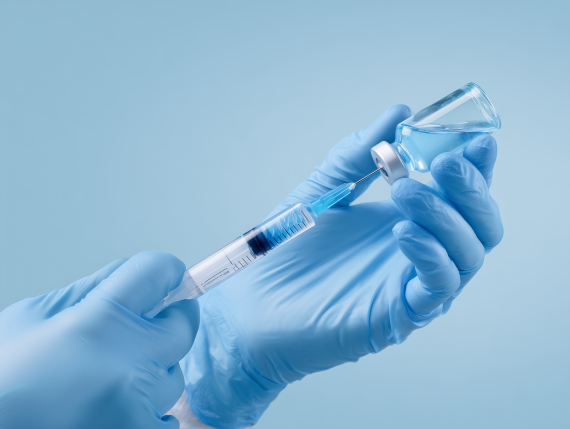
Local anesthesia is the cornerstone of painless dentistry. It is the temporary numbing of a specific area in the mouth by applying an anesthetic, most often by injection. The goal is to block the conduction of pain nerve impulses from the treated area to the brain, while the patient remains fully conscious. Thanks to local anesthesia, the dentist can perform even more complex procedures, such as drilling cavities, tooth extractions, root canal treatment (endodontics) or implant placement, without the patient feeling any pain.
How does it work? The anesthetic, applied near the nerve supplying the area, penetrates the nerve fibers and temporarily interrupts their ability to transmit pain signals. The effect usually begins within a few minutes and lasts for the entire duration of the procedure, or even shortly after it, which contributes to postoperative comfort. At Dobrý Dent, we use only modern, highly effective and safe anesthetics, the type and amount of which are selected individually according to the type of procedure, its duration and the patient’s health condition.
Types of Local Anesthesia:
- Infiltration anesthesia: The anesthetic is applied directly to the tissue around the treated tooth. It is particularly suitable for procedures on individual teeth, especially in the upper jaw, where the bone is more porous and allows easier penetration of the anesthetic.
- Block anesthesia: The anesthetic is applied to the main nerve trunk that supplies a larger area (e.g. half of the lower jaw). This will numb all teeth, gums, part of the tongue and lip in the given area. It is mainly used for procedures in the lower jaw or when treating multiple teeth at once.
The injection itself can be uncomfortable for some patients. That is why at Dobrý Dent we pay maximum attention to this step. We use very thin needles and before the injection itself we can apply a superficial numbing gel or spray to the mucosa to make the injection as painless as possible. However, our greatest asset in the fight against injection pain is the STA system.
STA System (The Wand): A Revolution in Painless Anesthesia
At Dobrý Dent, we are proud to offer our patients one of the most advanced technologies in the field of local anesthesia – the STA (Single Tooth Anesthesia) system, also known as „The Wand“. This computer-controlled system represents a real breakthrough in patient comfort.
How does STA work? Unlike a traditional syringe, the STA system controls the speed and pressure of anesthetic administration using a microprocessor. The anesthetic is applied very slowly, drop by drop, before the needle penetrates deeper into the tissue. This gradually numbs the tissue, and the needle itself and the subsequent application of the solution are practically imperceptible. In addition, the system uses DPS (Dynamic Pressure Sensing) technology, which allows the doctor to precisely navigate the needle and apply the anesthetic to the optimal location with minimal pressure.
Advantages of the STA System at Dobrý Dent:
- Significantly reduced pain during application: Thanks to the controlled speed and pressure, the injection is often described as painless. The unpleasant feeling of pressure and burning associated with the rapid application of anesthetic with a traditional syringe is eliminated.
- More precise anesthesia: STA allows the application of anesthetic with high precision, often with the ability to numb only one specific tooth (PDL injection – intraligamentary anesthesia), without causing unwanted numbness of the lip, tongue or cheek. The patient can therefore speak, eat and drink normally immediately after the procedure without the unpleasant feeling of „frozen“ half of the face.
- Reduced anxiety: The very appearance of the applicator, which resembles a pen rather than a syringe, is less intimidating and helps reduce patient anxiety, especially in children and sensitive individuals.
- Greater comfort for both the doctor and the patient: The doctor has better control over the application and the patient experiences a much more pleasant procedure.
Investing in STA technology is part of our philosophy of providing top-notch care with maximum emphasis on the comfort and satisfaction of our patients in Prague. Combined with our other modern technologies, such as treatment under a microscope (increasing accuracy and minimizing invasiveness of procedures) or 3D intraoral scanner and CBCT X-ray (enabling perfect planning), the STA system creates a comprehensive approach to painless and high-quality dentistry.
Sedation in Dentistry: A Solution for Anxious Patients
For some patients, a visit to the dentist is so stressful that local anesthesia alone is not enough to overcome the fear. This is especially true for patients with severe dental phobia, generalized anxiety disorder, a strong gag reflex, or those undergoing very long and complex procedures (e.g., extensive implantation, multiple extractions). In such cases, sedation may be a suitable solution.
What is sedation? Sedation is a drug-induced state that leads to calmness, relaxation, reduced perception of surroundings, and often amnesia (the patient does not remember the procedure). It is important to distinguish sedation from general anesthesia. During sedation, the patient usually remains conscious (although he may be asleep), is able to breathe independently, and respond to the doctor’s verbal instructions. The goal is not to put the patient completely to sleep, but to achieve a state of deep relaxation and eliminate fear and anxiety.
Sedation Options (Generally in Dentistry):
There are several levels and methods of sedation that can be used in dental practices:
- Minimal sedation (anxiolysis): The patient is relaxed, but fully conscious and able to communicate. This is often achieved by administering medication by mouth (a pill) an hour before the procedure.
- Moderate sedation (formerly „analgosedation“): The patient is more subdued, may respond to verbal or tactile stimuli. May have partial or no memory of the procedure. Inhalation sedation with nitrous oxide („laughing gas“) or intravenous administration of drugs is often used.
- Deep sedation: The patient is on the verge of consciousness, reacts with difficulty, but can still maintain some reflexes and spontaneous breathing. Requires careful monitoring of vital functions.
Inhalation sedation with nitrous oxide („laughing gas“): This is a very safe and popular method, especially for children and mildly anxious adults. The patient inhales a mixture of nitrous oxide and oxygen using a nasal mask. The effect occurs quickly (within a few minutes), inducing a feeling of relaxation, lightness, and sometimes even euphoria. The great advantage is the rapid disappearance of the effect after the inhalation (within a few minutes), so the patient can usually leave the surgery and drive a car on his own.
Oral sedation: The patient takes a tablet (most often from the benzodiazepine group) approximately an hour before the planned procedure. It induces a state of relaxation and reduces anxiety. The disadvantage is the slower onset of the effect and its longer duration after the procedure, so the patient must be accompanied home and should not drive or perform responsible activities for the rest of the day.
Intravenous (IV) sedation: The drugs are administered directly into a vein, which allows for a rapid onset of effect and precise dosing by the anesthesiologist throughout the procedure. It induces a deeper level of relaxation and amnesia. It is suitable for very anxious patients, people with a strong gag reflex, or for long and demanding procedures. It requires the presence of an anesthesiologist and monitoring of vital signs. After IV sedation, companionship and rest are always necessary.
At Dobrý Dent, we always individually assess the needs and wishes of each patient. If you suffer from fear of the dentist or have specific needs, do not hesitate to consult us. We will discuss your situation and together we will find the best solution for your comfort and safety. Our primary goal is to ensure painlessness using state-of-the-art local anesthesia, including the STA system. Sedation options then represent another level of care for specific cases, always with an emphasis on safety and detailed consultation.
Anesthesia and Sedation Safety: Our Priority
Patient safety is our absolute priority at Dobrý Dent. Before administering any anesthesia or considering sedation, we always carefully investigate your complete medical history, including allergies, medications, and chronic diseases. This allows us to choose the most appropriate type and dose of anesthetic or sedative and minimize any potential risks.
Our staff is regularly trained in anesthesia administration procedures and in dealing with potential complications. We use only certified and proven materials and medications. If deeper sedation is needed, we cooperate with experienced anesthesiologists who ensure a safe course and patient monitoring.
Modern local anesthetics are generally very safe and well tolerated. Side effects are rare and usually mild (e.g. temporary palpitations, light dizziness). The STA system further reduces the risk of systemic effects due to its precision and slow application.
Before the procedure, we will always discuss the planned procedure, the type of anesthesia, and answer all your questions. We want you to feel informed, calm, and fully trust our team.
Why Choose Dobry Dent for Painless Treatment in Prague?
The Dobrý Dent Clinic in Prague 5 (Anděl) is based on a combination of many years of experience (since 2010), the latest technologies and an individual, empathetic approach to each patient.
- Painlessness comes first: We actively seek out and implement the latest methods to ensure your comfort, including top-notch local anesthesia and the STA The Wand system.
- Advanced technologies: We use digital technologies such as the 3D intraoral scanner and CBCT X-ray for precise planning of procedures, which often leads to less invasive and faster procedures. Treatment under a dental microscope increases precision and gentleness.
- Experienced and empathetic team: Our doctors and nurses have extensive experience in treating anxious patients and children. We understand your concerns and strive to create a friendly and reassuring environment.
- Comprehensive care under one roof: We offer a wide range of dental services, from preventive care and dental hygiene, through conservative dentistry, endodontics, prosthetics to surgery and implantology. All of these fields benefit from our emphasis on painlessness.
- Modern and pleasant environment: Our clinic at Jindřicha Plachty 535/16 is designed to make you feel as comfortable and relaxed as possible.
We understand that fear of the dentist is a real problem that can lead to postponing visits and neglecting dental care. At Dobrý Dent, we do everything we can to remove this barrier. Our mission is to provide quality dental care that is not only effective, but also as gentle and painless as possible.